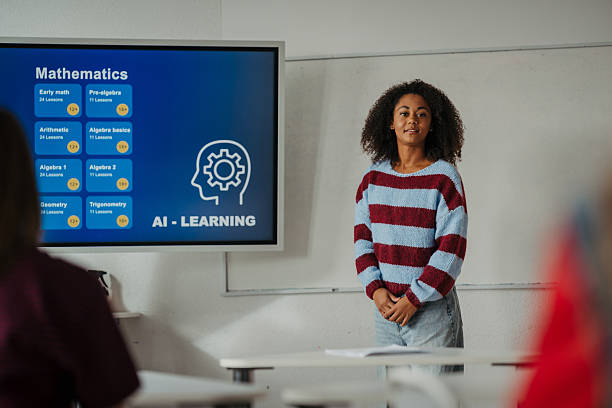
AI Enhances Personalized Learning
Artificial intelligence (AI) is revolutionizing education by offering personalized learning experiences. AI platforms can analyze students’ strengths, weaknesses, and learning pace. Moreover, they provide customized exercises and recommendations. Consequently, students gain deeper understanding and retain knowledge more effectively.
Virtual Classrooms Expand Access
EdTech tools and virtual classrooms are making education more accessible than ever. Students in remote or rural areas can now attend quality lessons online. In addition, virtual labs, simulations, and interactive platforms create hands-on experiences without physical constraints. Therefore, learning opportunities are no longer limited by geography.
Teacher Support and Efficiency
AI also supports teachers by automating grading, tracking performance, and identifying students needing extra help. Moreover, educators can focus on mentoring and creative instruction rather than repetitive tasks. As a result, classrooms become more engaging and productive.
Preparing Students for the Future Workforce
With technology integration, students develop digital literacy and critical thinking skills. AI-based learning prepares learners for careers in STEM, data analysis, and innovation-driven industries. In addition, gamified learning platforms and interactive tools boost motivation and engagement. Therefore, technology adoption aligns education with future workforce needs.
Ethical and Inclusive Implementation
While AI and EdTech offer opportunities, ethical implementation is crucial. Data privacy, inclusivity, and avoiding algorithmic bias must remain priorities. Moreover, balanced integration ensures students still benefit from human interaction and mentorship.
Conclusion
In 2026, AI and EdTech are reshaping the learning landscape. Personalized instruction, expanded access, and smarter teacher support are enhancing outcomes worldwide. Moreover, students are better prepared for the digital economy. By embracing these innovations responsibly, education can become more effective, inclusive, and future-ready.