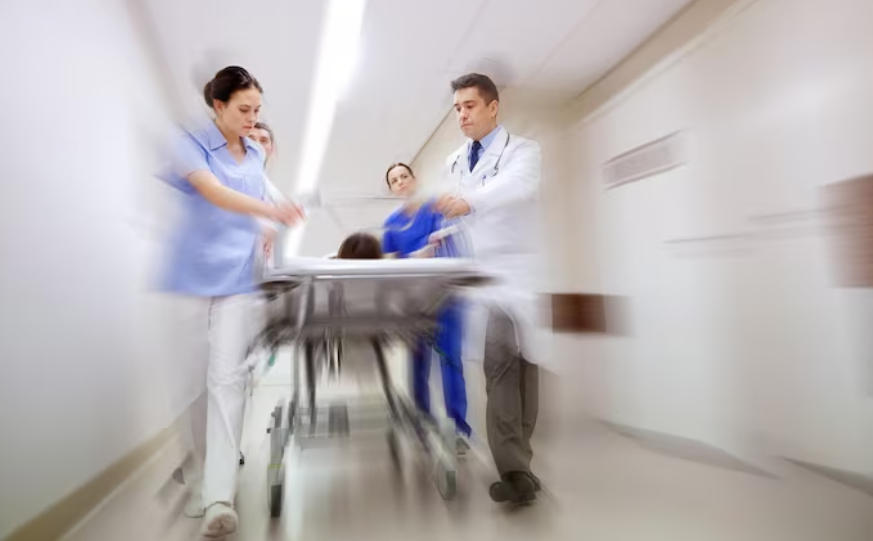
Life is unpredictable, and emergencies can happen at any moment. Accidents, sudden illnesses, or serious injuries can put your life at risk. During these critical times, timely and proper care can make a huge difference. Emergency care is designed to provide immediate medical attention to people facing life-threatening situations, and understanding how it works can save lives.
Understanding Emergency Care
Emergency care is a specialized form of medical service that focuses on urgent health issues. Hospitals and clinics with emergency departments are equipped to handle situations where every second matters. The main goal is to stabilize patients, prevent further harm, and provide immediate treatment. Emergency care is available 24/7, ensuring that medical help is accessible whenever needed.
The staff in emergency care units, including doctors, nurses, and paramedics, are trained to handle a wide range of critical conditions. These can include severe bleeding, heart attacks, strokes, breathing difficulties, serious infections, and accidents involving trauma. Their quick assessment and decision-making can be the difference between life and death.
The Role of Emergency Care in Accidents
Accidents are a common cause of emergencies. Whether it is a car crash, a fall, or a workplace injury, emergency care ensures that patients receive fast and effective treatment. Medical professionals in emergency units are skilled in performing life-saving procedures such as stopping internal bleeding, managing broken bones, or performing CPR when needed. They also stabilize the patient before further specialized treatment, which is vital to improving survival chances.
Emergency care also involves diagnostic tools like X-rays, CT scans, and laboratory tests to quickly identify the severity of injuries or illnesses. The faster these tests are done, the faster the doctors can create a treatment plan, reducing the risk of complications.
Handling Sudden Illnesses
Some emergencies are not caused by accidents but by sudden illnesses. Conditions like heart attacks, strokes, severe asthma attacks, or allergic reactions require immediate medical intervention. Emergency care provides rapid response to such situations, which is crucial for preserving life and preventing long-term damage.
For example, in the case of a heart attack, every minute without treatment increases the risk of serious heart damage or death. Emergency care teams are trained to recognize symptoms quickly, provide necessary medications, and sometimes perform procedures to restore blood flow to the heart.
Emotional Support in Emergencies
Emergencies are not only physically challenging but also emotionally stressful. Patients and their families often experience fear, confusion, and anxiety during critical situations. Emergency care professionals provide support and clear communication to help families understand what is happening and what steps are being taken. This emotional support is an essential part of overall emergency care.
How Emergency Care Saves Lives
The main purpose of emergency care is to save lives. By providing immediate medical attention, emergency units reduce the risk of serious complications and death. Quick intervention can prevent minor issues from becoming life-threatening and can stabilize critical patients until they receive specialized care.
Emergency care also educates the public about recognizing early warning signs of serious health problems. Awareness of symptoms like chest pain, severe headaches, difficulty breathing, or sudden weakness can prompt individuals to seek help immediately, improving survival rates.
Conclusion
Emergency care plays a vital role in protecting lives during unpredictable and life-threatening situations. From accidents to sudden illnesses, the fast and skilled response of medical professionals ensures that patients receive the care they need when every second counts. It not only stabilizes patients and prevents further harm but also provides emotional support during stressful times. Understanding and trusting emergency care services can make a critical difference, giving individuals the best chance to survive and recover from serious health emergencies.
By knowing how emergency care works and when to seek help, everyone can be better prepared to handle emergencies and potentially save lives.