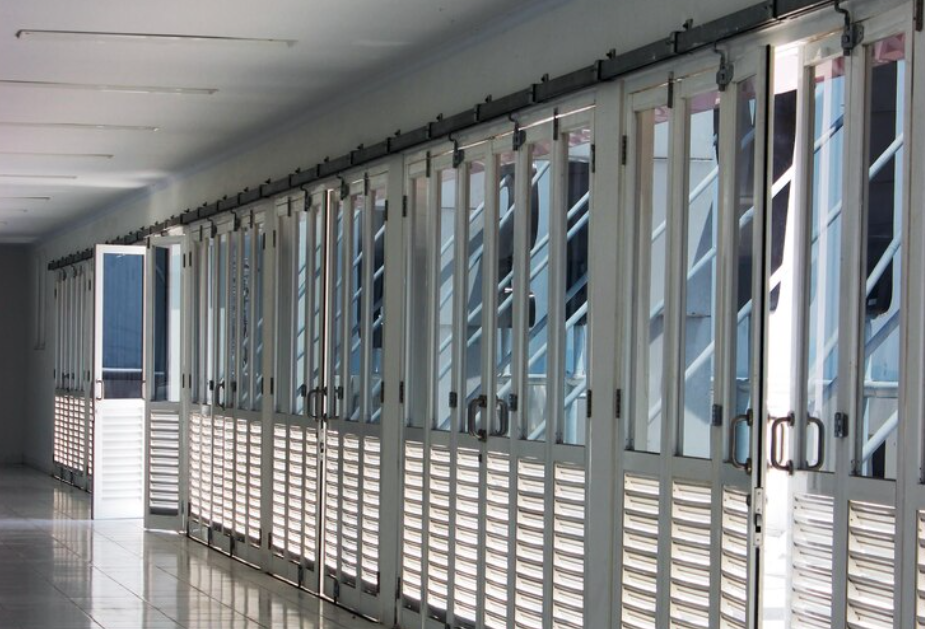
Schools are spaces where safety and accessibility are of the utmost importance. Students, teachers, and staff spend a significant portion of their day within school buildings, making it essential that the design of entrances, hallways, and classrooms supports both security and ease of movement. One feature that has gained attention in modern educational facilities is the use of school sliding safety doors. These doors combine innovative technology with practical design to enhance the overall safety and functionality of schools.
Enhancing Safety with Controlled Access
One of the primary benefits of school sliding safety doors is their ability to improve safety by controlling access to certain areas. Unlike traditional swing doors, sliding doors can be equipped with secure locking mechanisms that prevent unauthorized entry. This feature is particularly important for protecting sensitive areas such as laboratories, administrative offices, and storage rooms. In emergency situations, these doors can also be programmed to lock or unlock automatically, providing quick and secure access as needed.
Reducing the Risk of Accidents
Traditional doors that swing open can sometimes cause accidents, especially in crowded hallways or high-traffic areas. School sliding safety doors slide horizontally along a track, reducing the risk of injury from doors hitting students or staff. Their smooth and controlled movement ensures that doors do not slam shut unexpectedly. This design also prevents fingers from being trapped and reduces the chance of collisions in busy corridors, making hallways safer for everyone.
Improving Accessibility for All
Accessibility is a critical consideration in educational spaces. School sliding safety doors are particularly beneficial for students or staff with mobility challenges. These doors often feature automatic opening mechanisms or can be easily operated with minimal effort, allowing wheelchairs, walkers, and other mobility aids to pass through without difficulty. By providing seamless access, sliding doors contribute to a more inclusive environment where all individuals can move freely and independently.
Efficient Use of Space
In addition to safety and accessibility, school sliding safety doors are practical for space management. Traditional doors require a swing radius, which can limit the arrangement of furniture or equipment in classrooms and corridors. Sliding doors eliminate this need, allowing schools to make better use of their available space. This can be especially valuable in areas like cafeterias, libraries, or narrow hallways where every inch of floor space is important.
Ease of Maintenance and Durability
Another advantage of these doors is their durability and ease of maintenance. High-quality sliding safety doors are designed to withstand frequent use in busy educational settings. Their tracks and mechanisms are often engineered for long-lasting performance, reducing the need for frequent repairs. Additionally, many models feature materials that are easy to clean, helping schools maintain hygienic conditions, which is especially important in times of heightened health awareness.
Supporting Emergency Procedures
In emergencies, every second counts. School sliding safety doors can be integrated with emergency systems to open automatically in case of fire, lockdowns, or other urgent situations. This functionality ensures that students and staff can evacuate safely and efficiently, while also allowing security personnel to manage access during critical events. By supporting emergency preparedness, these doors become a key component of a school’s safety infrastructure.
Aesthetically Pleasing and Modern
Beyond functionality, school sliding safety doors also offer a modern and aesthetically pleasing design. Their sleek appearance can enhance the overall look of a school while providing practical benefits. Transparent or partially glazed doors allow natural light to flow into hallways and classrooms, creating a more welcoming and comfortable environment. This combination of design and utility makes sliding doors an attractive choice for modern educational spaces.
Conclusion
School sliding safety doors play a vital role in enhancing safety, accessibility, and efficiency within educational facilities. They help control access, reduce the risk of accidents, improve movement for individuals with disabilities, and support emergency procedures. With their space-saving design, durability, and modern appearance, these doors offer a practical solution for schools aiming to create safe, inclusive, and functional environments. Implementing school sliding safety doors is an investment in the well-being of students and staff, making schools safer and more welcoming for everyone.