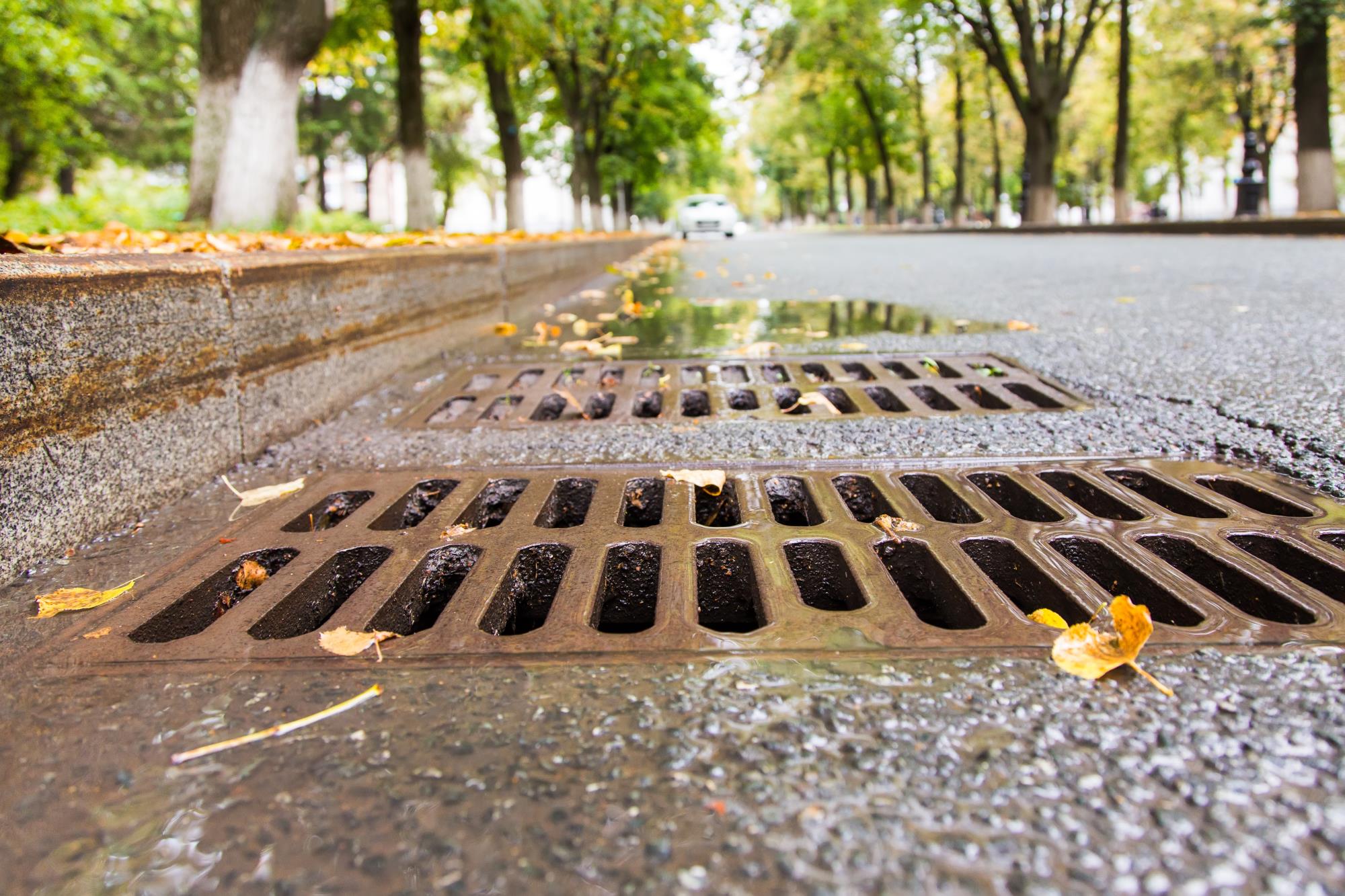
Maintaining a commercial property requires a proactive approach to infrastructure that often remains hidden from view. Among the most critical yet frequently overlooked components is the drainage system.
When heavy rains occur, the efficiency of your parking lots and building perimeters depends entirely on the health of your catch basins and pipes.
Implementing a consistent schedule for storm drain maintenance is not just about cleaning; it is a vital strategy for asset preservation and risk management that impacts the long-term viability of any business location.
Prevention of Costly Structural Damage
Water is one of the most destructive forces a property owner faces. When drainage systems fail, water begins to pool in areas where it can seep into the sub-base of parking lots and the foundations of buildings.
This infiltration leads to the formation of potholes, cracks in concrete, and eventually, structural instability.
By prioritizing regular storm drain maintenance, property managers can ensure that runoff is directed away from sensitive areas, preventing the astronomical costs associated with repaving large asphalt surfaces or repairing foundation leaks that can compromise an entire facility.
Mitigation of Liability and Safety Risks
Standing water on a commercial property is a significant safety hazard. Large puddles in walkways or driving lanes increase the risk of slip-and-fall accidents for pedestrians and hydroplaning incidents for vehicles. In colder climates, these pools of water can turn into dangerous ice patches overnight.
Consistent storm drain maintenance removes the clogs that cause these hazards, significantly reducing the likelihood of personal injury claims. Maintaining a dry and accessible site demonstrates a commitment to the safety of employees, customers, and visitors.
Protection of Local Water Quality and the Environment
Commercial properties often accumulate pollutants such as oil, heavy metals, and litter on their surfaces. Without a functioning filtration and drainage system, these contaminants are washed directly into local waterways.
Modern catch basins are designed to trap a certain amount of sediment and debris before they enter the wider environment. However, these traps eventually fill up.
Through routine storm drain maintenance, these collected pollutants are professionally removed and disposed of, ensuring that your property does not contribute to the degradation of the local ecosystem.
Avoiding Business Disruptions and Flooding
A flash flood can bring business operations to a complete standstill. If a drainage system is blocked by leaves, trash, or silt, even a moderate rainstorm can cause water to back up into warehouses, retail floors, or office lobbies. Such events lead to damaged inventory, ruined equipment, and forced closures.
Investing in storm drain maintenance allows for the early detection of blockages, ensuring that your property can handle sudden downpours without the risk of internal flooding. This reliability is essential for maintaining the operational continuity of your tenants.
Extending the Lifespan of the Drainage Infrastructure
Like any mechanical or structural system, a storm drain has a limited lifespan that can be extended through proper care. When debris is allowed to sit in pipes, it can lead to corrosion, root intrusion, and physical blockages that put immense pressure on the pipe joints.
Regular cleaning prevents the buildup of corrosive materials and allows technicians to identify minor issues before they become catastrophic failures.
Ultimately, the cost of ongoing storm drain maintenance is a fraction of the price of a total system replacement or an emergency excavation.