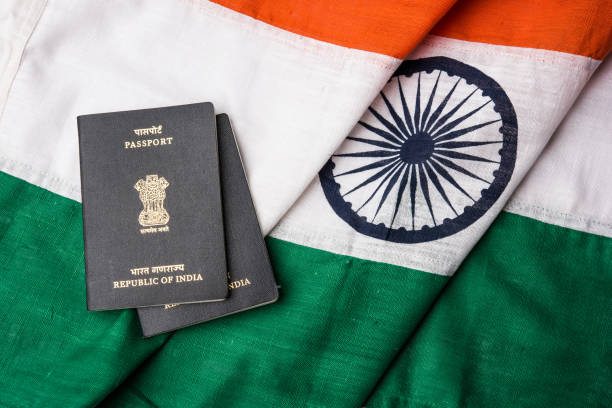
Aggressive Push for Inbound Tourism
India has expanded its e‑Tourist Visa (e‑TV) scheme to cover 166 countries, signaling an aggressive push to attract more international travelers. This move reflects the government’s commitment to making India more accessible and enhancing the country’s competitiveness as a global tourism destination.
Simplifying Travel Access
The extended e‑Visa system allows citizens of participating countries to apply online with faster processing. In addition, the streamlined process reduces paperwork, eliminates lengthy queues at immigration, and ensures a smoother travel experience for visitors. Consequently, tourists can focus more on exploring India’s culture, history, and natural beauty rather than visa formalities.
Boosting Tourism Revenue
By expanding visa accessibility, India aims to increase inbound tourist arrivals and generate higher tourism revenue. Moreover, easier access encourages longer stays, higher spending, and participation in cultural and adventure tourism activities. This helps local businesses, hotels, and tour operators benefit directly from increased visitor footfall.
Enhancing India’s Global Appeal
The e‑TV expansion positions India as a tourist-friendly destination in the international travel market. In addition, it reflects efforts to modernize visa policies, improve digital infrastructure, and simplify travel for global visitors. Consequently, India strengthens its image as an accessible and welcoming destination for leisure, business, and cultural tourism.
Looking Ahead
With the e‑Tourist Visa covering 166 countries, India’s tourism sector is poised for significant growth in 2026 and beyond. Moreover, this initiative lays the foundation for long-term engagement with global travelers while supporting sustainable tourism development.
Conclusion
Overall, India’s e‑Tourist Visa expansion demonstrates a strategic move to attract international tourists. By simplifying entry and improving access, the country enhances its appeal, boosts revenue, and creates opportunities across the tourism ecosystem.