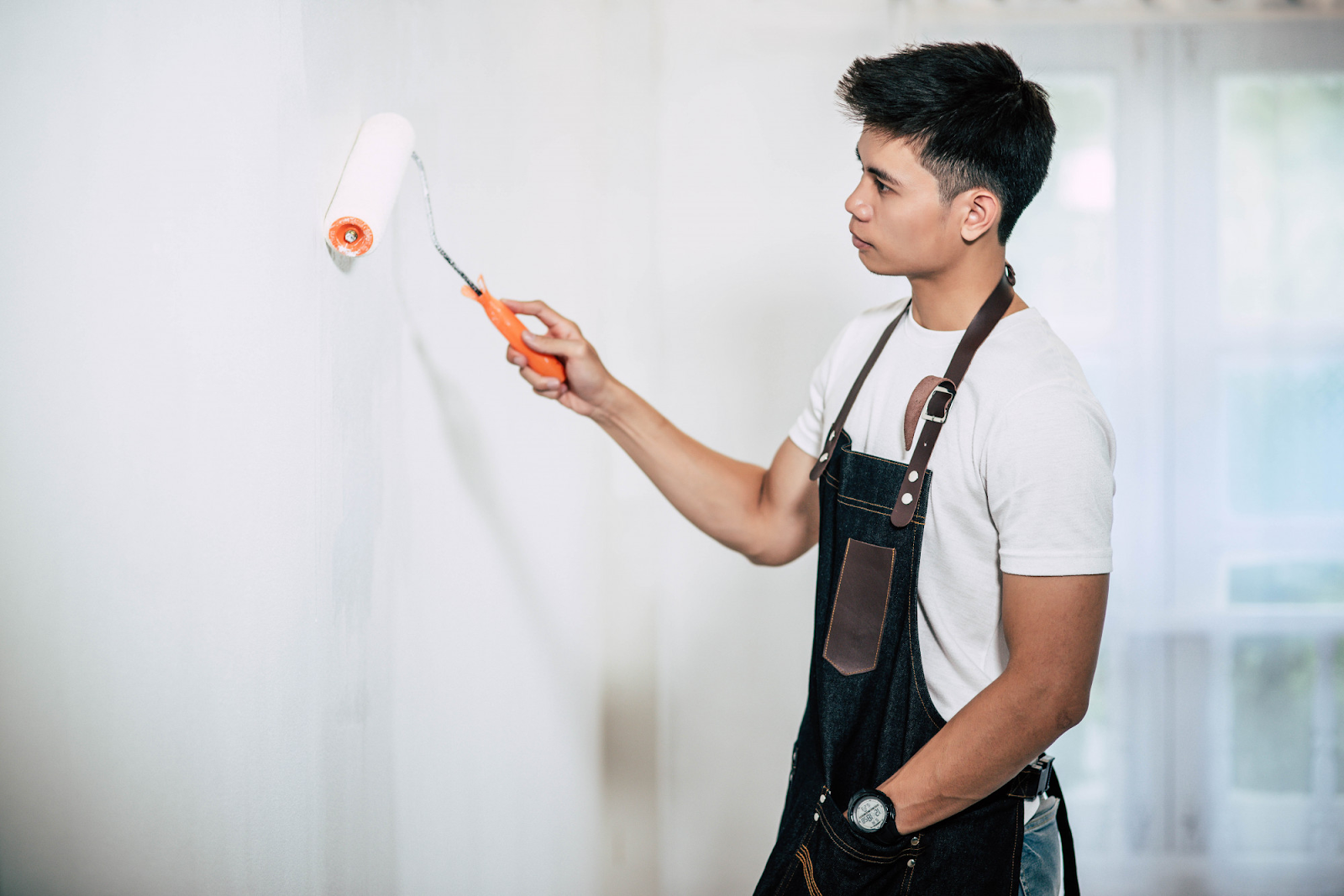
The simplest home improvement that enhances your home’s appearance and increases its value is painting. Fresh paint applications create brighter, cleaner, and more modern-looking rooms. Your choice of painter will determine the final result, as it is the main factor that decides your outcome. The right house painter will deliver quality results that last over time and give you complete trust in their work.
The following basic tips will help you select the most suitable house painter for your property.
1. Understand Your Painting Needs
Without identifying your basic needs, you may have difficulty choosing a painter. Therefore, before hiring a painter, you need to establish your specific requirements for the project. You must determine whether your project requires interior painting, exterior painting, or both. You need to assess how many rooms you have, the existing wall conditions, and the finish style you want. You need to present your project details to define your needs. Also, painters can assess them to provide precise cost estimates.
2. Look for Experience and Skills
Experience is the basic requirement that defines painting skills. A competent house painter can prepare surfaces and select appropriate paint products. They ensure to apply them in uniform layers.
Check the painter’s experience in the painting industry and their experience with projects that match your requirements. Professional painters have the expertise to resolve problems, including fixing cracks, removing stains, and maintaining level surfaces.
3. Check Licenses, Insurance, and References
A trustworthy house painter needs to possess both a license and insurance coverage. The insurance policy protects you against accidents or property damage that may occur during the work process. The hiring process requires you to obtain proof of insurance before making any decisions.
It is also a good idea to ask for references or check online reviews. Former clients can provide you with information about the painter’s work quality, professionalism, and dependability. You can also ask your family and friends who have experience with that painter.
4. Get Multiple Quotes
The first quote that you receive should not be your final choice. You should obtain price quotes from different painters to evaluate their pricing and service offerings. A complete quote must include labour expenses, material costs, preparation expenses, and the delivery timeframe. You should avoid prices that seem too low, as they suggest materials of low quality and work done under time pressure.
5. Ask About Paint Quality and Preparation
The painter should explain which paint brands and types they use and why they chose those materials. Professional painters dedicate their efforts to correct surface preparation, which includes cleaning, sanding and priming. The paint will peel and fade due to improper preparation, resulting in increased maintenance costs.
6. Discuss Timeline and Communication
You should ask the painter about the project duration and their work schedule, including continuous work and scheduled breaks. The painter needs to show you their work timeline, which they should use to keep you updated about their job status. You should assess their communication style to make sure it matches your comfort level.